Commercial masonry has long been a backbone in the construction industry, offering durability, stability, and aesthetic appeal. This age-old building technique serves a variety of purposes and contexts, from the foundational components of commercial premises to luxurious, detailed façades. As businesses seek lasting construction options that balance cost and longevity, they consistently turn to masonry for its proven reliability.
The adaptability of commercial masonry is one of its greatest strengths. It can be applied in diverse environments, whether to withstand the harsh elements or to provide a refined look for a high-rise project. This flexibility ensures that masonry remains relevant and highly sought after in contemporary construction projects.
Understanding the broad uses and benefits of commercial masonry helps companies make informed decisions about their building projects. Not only does it offer immediate structural benefits, but it also adds value to properties in the long term. It’s this combination of current utility and future value that makes commercial masonry such a wise investment.
Durability and Strength
One of the primary reasons companies choose commercial masonry is due to its inherent durability. Unlike other building materials that may degrade over time, masonry can endure the test of time with minimal deterioration. This resilience is particularly important in commercial applications where buildings are subject to high traffic and use.
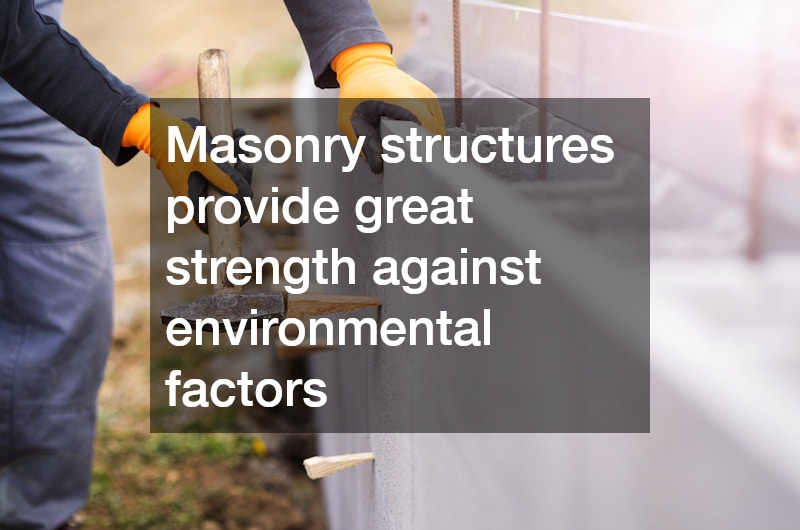
Masonry structures also provide great strength against environmental factors. For instance, a well-constructed masonry building can resist high winds, fire threats, and seismic activity more effectively than other materials. Therefore, commercial masonry is not only a solution for durability but also for safety.
With growing awareness of sustainability, the longevity of masonry contributes to eco-friendly construction. By minimizing the need for constant repairs or replacements, masonry conserves resources and reduces construction waste. Businesses committed to sustainable practices find this an attractive benefit when considering their building options.
Aesthetic Appeal and Versatility
Aside from its functional benefits, commercial masonry offers extraordinary aesthetic versatility. Architects and building designers appreciate the ability to express creativity through the varied textures, colors, and patterns available. This allows commercial buildings to either blend seamlessly into their surroundings or stand out with a distinctive style.
Masonry’s aesthetic appeal also has financial advantages. A well-designed commercial building can significantly enhance business visibility and brand image. Aesthetic considerations sometimes lead to increased traffic and morale, making well-crafted masonry a strategic investment for businesses looking to make a lasting impression.
The adaptability of masonry allows for integration with other materials, creating unique designs while maintaining the benefits of traditional masonry. This versatility supports innovative architectural trends and meets the specific needs of diverse businesses, ensuring that commercial masonry remains at the forefront of design and construction.
Economic Benefits
While the initial investment in commercial masonry might be higher than some alternatives, the long-term savings are significant. Buildings constructed with masonry require less maintenance and have lower repair costs over time. This economic benefit is a major consideration for businesses planning to have long-life assets.
Furthermore, masonry can contribute to energy efficiency. The thermal mass of masonry works to stabilize building temperatures, reducing the need for heating and cooling. This energy efficiency translates into ongoing cost savings, which are highly attractive to environmentally focused companies.
The robust nature of masonry construction can also increase the property value. Prospective buyers or renters often view buildings constructed with durable materials as more desirable, leading to potential financial gains. Thus, while the upfront cost of masonry is an investment, the long-term economic benefits often outweigh any initial financial barriers.
Applications of Commercial Masonry
Commercial masonry finds its use across a variety of industries, including education, healthcare, retail, and hospitality. Each application leverages the strengths of masonry to suit its specific requirements, whether it’s maintaining a serene hospital environment or creating a striking hotel façade. In the ever-evolving landscape of each sector, masonry provides a consistent foundation.
In educational structures, the durability of masonry is paramount. School buildings, because of their high-use nature, must withstand significant wear and tear. Masonry meets these challenges with ease, providing a safe and enduring environment for students and staff alike.
Meanwhile, in the retail sector, the aesthetic and branding potential of masonry cannot be overstated. Retailers can customize storefronts to showcase their brand identity while also enjoying the benefits of low maintenance costs. The combination of functional and aesthetic appeal makes masonry an exemplary choice for commercial applications across various industries.